


Summer in the backyard usually means one thing: everyone wants to be near the pool. But before you fire up the barbecue and call it a season, it’s worth understanding what Ontario actually requires when it comes to pool fencing. These rules exist for a good reason and getting them right protects the people you care about most.
Why Pool Fencing Rules Exist
Drowning is one of the leading causes of accidental death for young children, and a lot of those incidents happen at home. A proper pool fence acts as a physical barrier that buys time and prevents a child or pet from wandering into the water unsupervised. It’s genuinely one of the most effective safety measures a homeowner can put in place.
Ontario’s General Requirements
While specific bylaws vary by municipality, most areas across Ontario follow similar baseline rules for residential pool enclosures:
- Minimum height of 1.2 metres (about 4 feet) from ground level
- No gaps larger than 10 centimetres between fence pickets or under the bottom rail
- Self-closing and self-latching gates that swing away from the pool
- No footholds or handholds that would make it easy for a small child to climb
- A minimum distance between the fence and any structure a child could use to climb over
Some municipalities also require the latch to sit high enough that young kids can’t easily reach it, so it’s worth double-checking your local rules before finalizing a fence design.
Check With Your Municipality First
Since bylaws differ from city to city, always confirm the exact requirements with your local building department before installing a pool fence. Some municipalities require a permit specifically for pool enclosures, separate from any general fencing permit. Skipping this step can mean costly changes later, so it’s worth the phone call upfront.
Aluminum, or Aluminum and Glass?
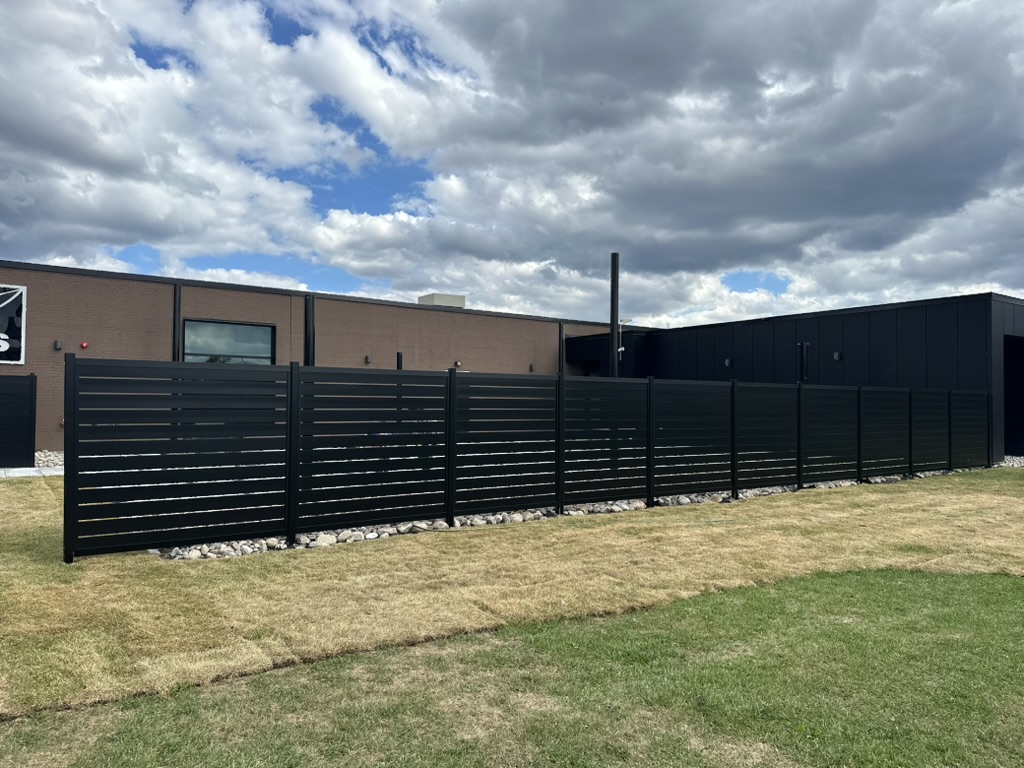
Aluminum fencing checks a lot of boxes for pool areas on its own. It doesn’t rust from chlorine or splashing water, holds its finish without repainting, and the vertical picket style commonly used for pool fences keeps sightlines open.
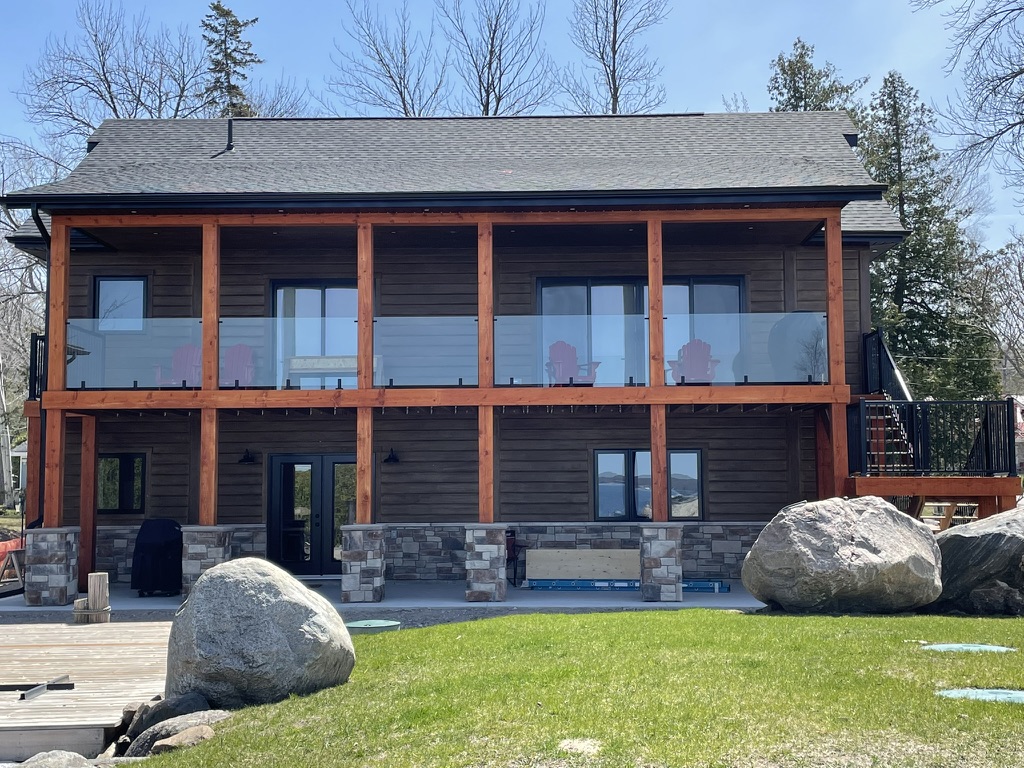
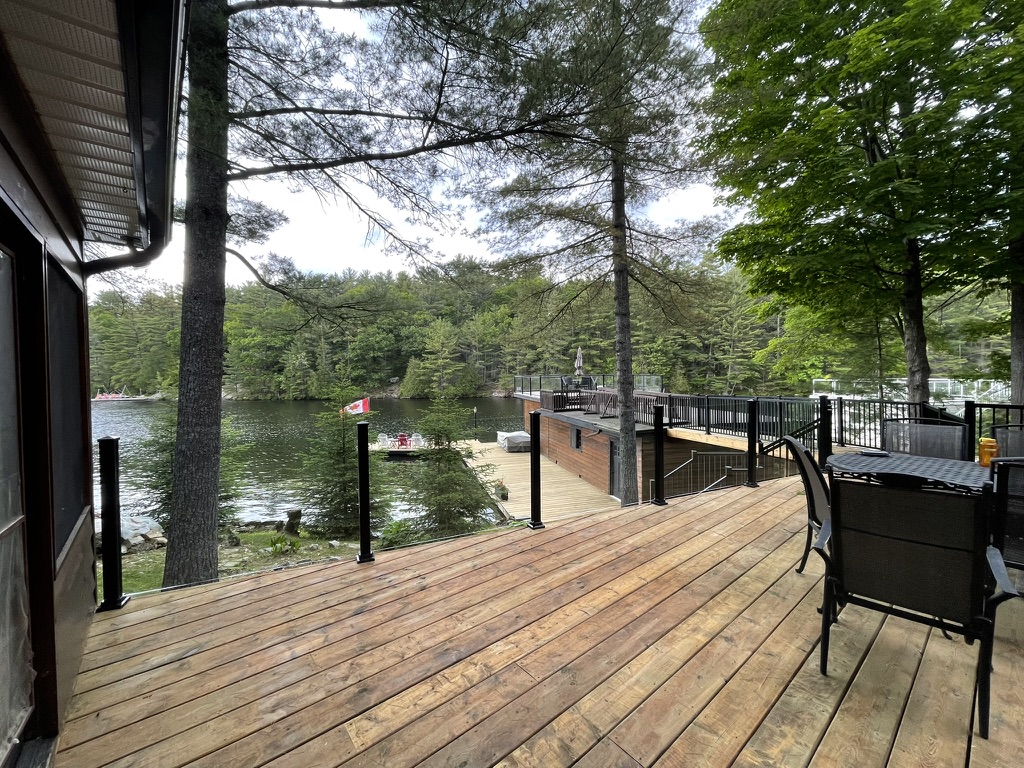
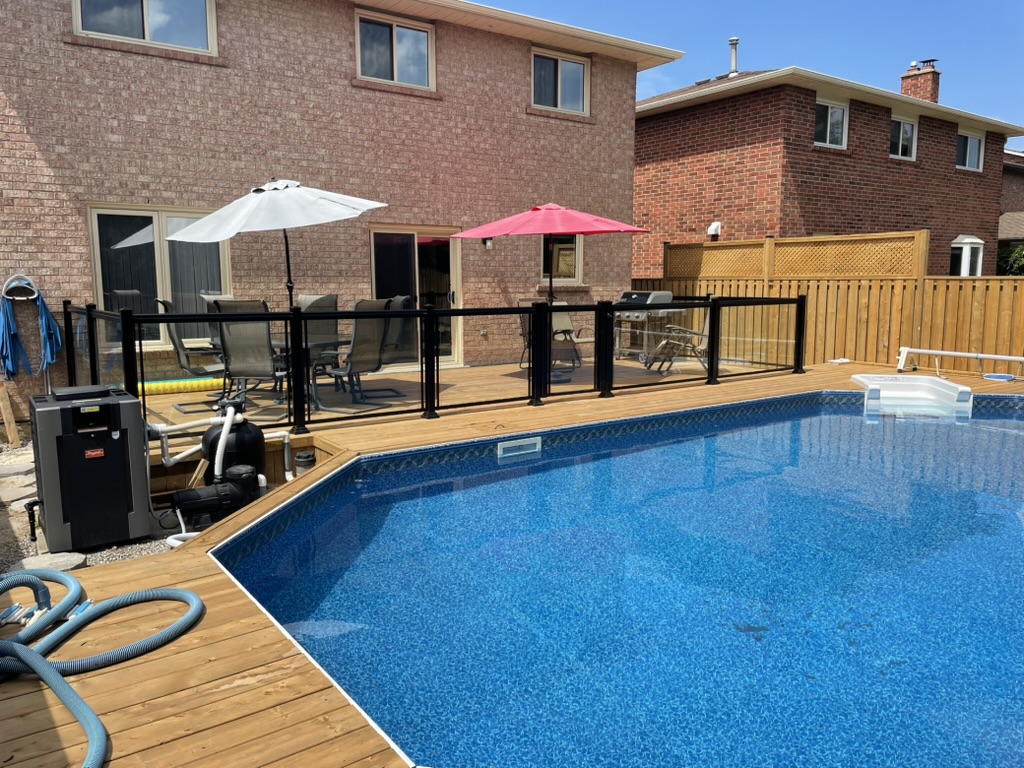
A lot of homeowners are now pairing aluminum with glass panels for their pool enclosures instead. It meets the same height and gap requirements as a standard picket fence but gives an even clearer view of the pool since there’s no picket spacing to look through. It also tends to suit modern backyards a bit better, especially if you’ve already got glass railings elsewhere on the property.
Either option gets the job done from a safety standpoint. It comes down to how open you want the view to feel and what fits your backyard’s overall look.
Gate Placement Matters More Than You’d Think
Where you put the gate can make or break how safe your pool area actually is. A gate that opens directly onto a patio where kids often play isn’t ideal. Positioning it with a bit of separation from high-traffic areas and making sure it swings away from the pool rather than toward it, adds another layer of protection.
A Few Extra Habits Worth Building
Fencing is the foundation, but a few added habits go a long way too:
- Keep pool toys out of view when not in use, since they can tempt kids to climb the fence
- Check the self-latching mechanism regularly to make sure it’s still working properly
- Remind guests to close the gate fully, especially during parties or gatherings
Building a Safer Backyard Starts With the Right Fence
Getting your pool fence right isn’t just about following the rules. It’s about giving yourself real peace of mind every time you step outside. Our team at Aztec Aluminum Railings has helped homeowners design enclosures, in aluminum or aluminum and glass options, that meet Ontario’s requirements without sacrificing the look of the backyard.
If you’re planning a pool fence project, we’d love to walk you through your options. Reach out to us today to book a free consultation.